From 8 to 10 January, our theatre became a space where different artistic languages, sensibilities, and generations of creators came together. The 5th edition of the Intercollegiate Performance Review aKTOmaR was not merely another event in the cultural calendar, but an experience that once again allowed us to ask a fundamental question: what is performance today, and why do we still need it?
As its curator, Prof. Arti Grabowski, observes, at a time when the tradition of artistic reviews is gradually disappearing, aKTOmaR remains one of the most important reference points for performance art in Poland—and perhaps even in the whole of Central and Eastern Europe. For three days, the theatre stage was not only a site of presentation: it became a laboratory of contemporary expression, where students of art academies, established artists, and audiences met within a shared space of experience.
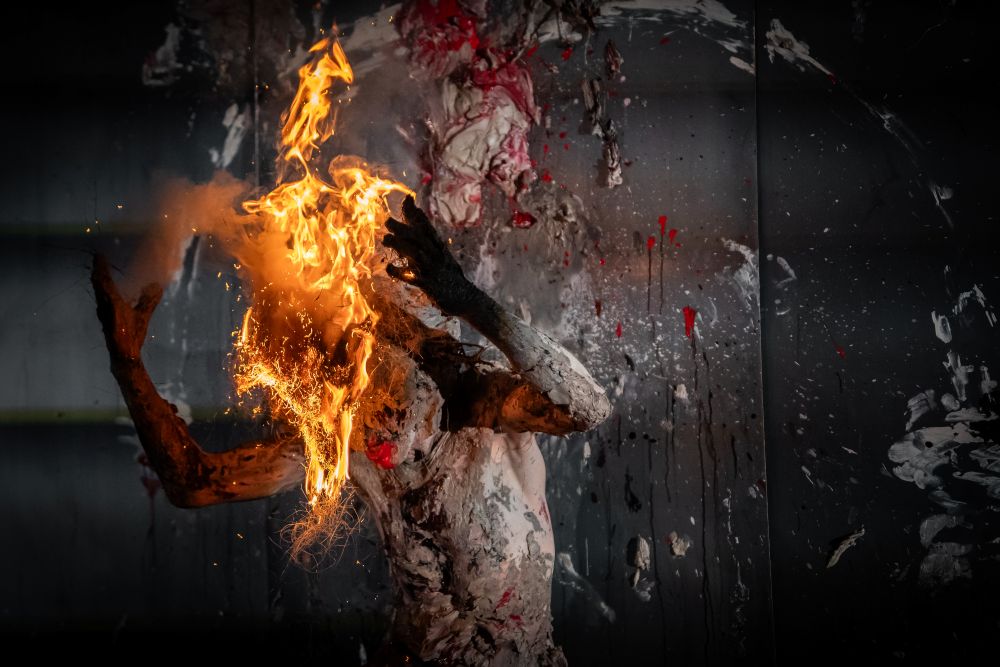
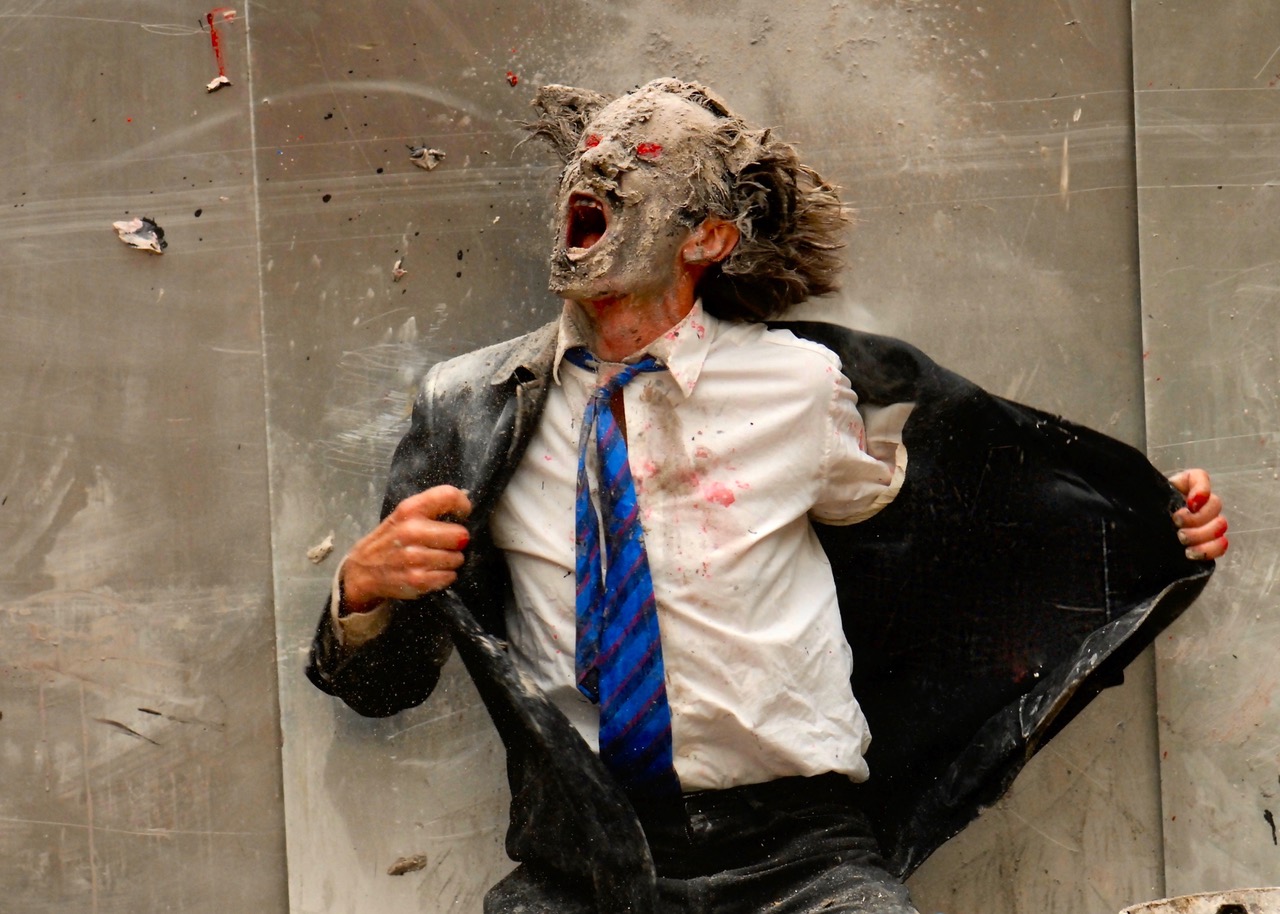
The festival opened with the master performance “Transfiguration” by Olivier de Sagazan, a French artist, performer, and painter who for years has been exploring the boundaries of corporeality and identity. His violent, physical work—in which the body gradually transforms into a living sculpture of clay and paint—was more than a spectacle. It functioned as a visual essay on how culture, matter, and biology overlap to create what we call the “self.” In a world obsessed with controlling appearance, de Sagazan reminds us that the body remains a site of constant transformation.
A radically different, almost ascetic tone resonated in the performance by Janusz Bałdyga, one of the key figures of Polish performance art. His formally restrained yet exceptionally precise gesture, grounded in work with matter and space, revealed performance as an art of concentration, silence, and meaningful detail. Where others build tension through an excess of stimuli, Bałdyga operates through minimalism, reminding us that meaning can also emerge from what is barely perceptible.
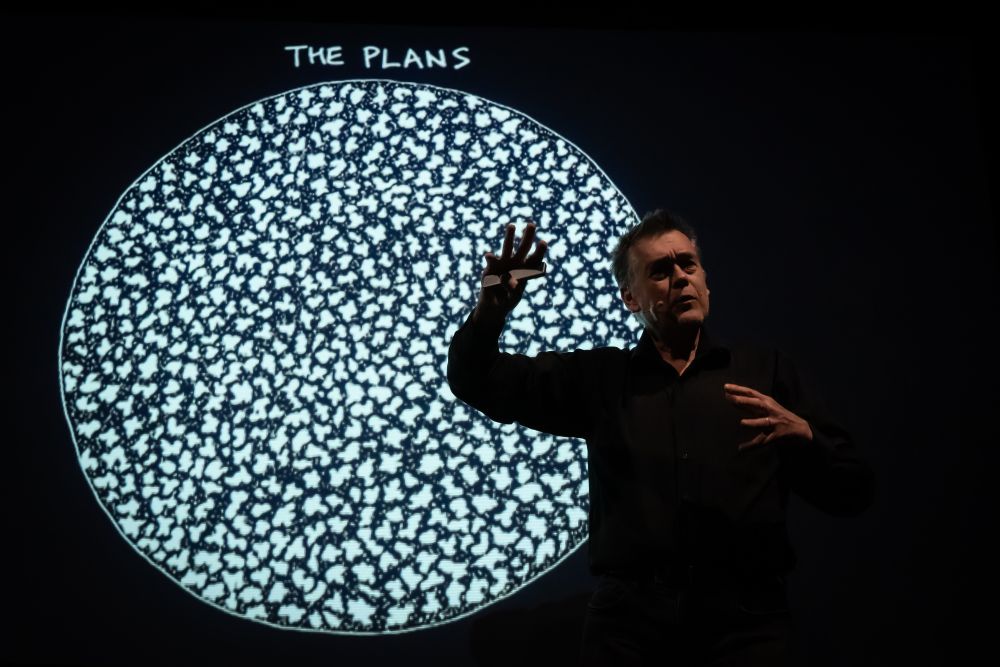
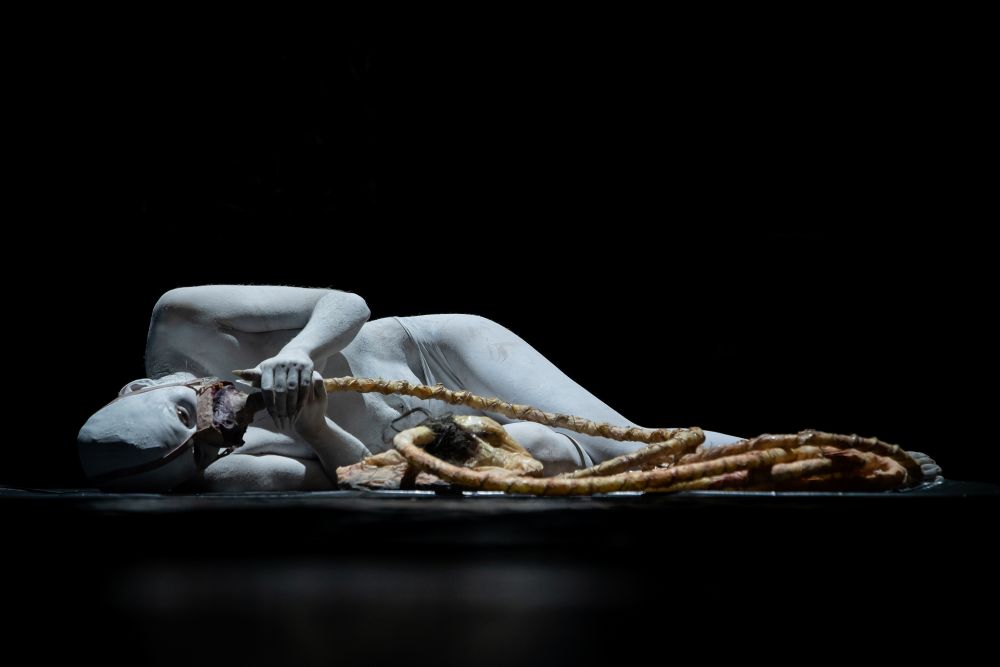
Audiences also saw, among others, Bogdan Achimescu’s performance “I Want to Serve the Fatherland”, which addressed the relationship between the individual and power, as well as a performance by the Italian artist Franko B. His deeply personal narrative of violence and memory likened the body to an archive of experience—a carrier of histories that cannot always be articulated in words, but demand presence and gesture.
At the heart of aKTOmaR, however, remain the student performances. Artists from as many as sixteen art academies across the country turned the festival into a living field of experimentation. For young performers, this is a unique space: often their first serious confrontation with an audience, critical reflection, and the professional art world, while also an opportunity to exchange experiences, build relationships, and test their artistic explorations in a real festival context. The viewer responding here and now becomes not merely a spectator, but a co-participant in the event.
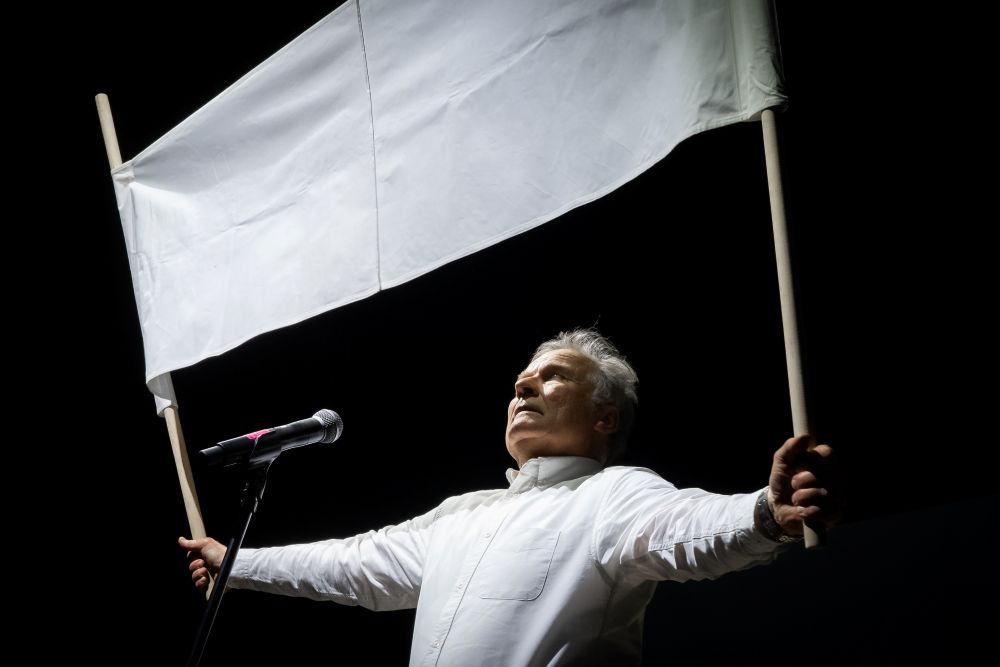
Contrary to common opinion, performance is not a cheap art of provocation nor a tool designed solely to shock. It is one of the most direct forms of reflection on contemporary reality—on issues that are urgent, uncomfortable, and often excluded from public debate. As Arti Grabowski emphasizes, performance is above all “an untamed space that allows for expression.” A space in which the artist can speak. For us, as a theatre, this space is fundamental. That is why we do not confine it within censorship or convenient definitions.
See you next year!
Funded by the Minister of Culture and National Heritage from the Cultural Promotion Fund.
Funded by NextGenerationEU.